







Search Results for: performance pressure
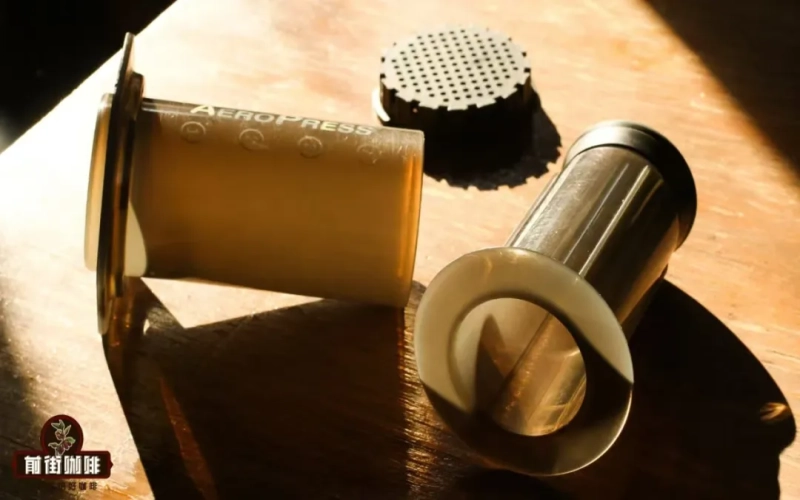
AeroPress Standard vs. Inverted Method Comparison Review: Operational Differences, Flavor Performance, and Equipment Differences from the French Press
The AeroPress is a coffee brewing device that is simple to operate yet offers a wide variety of brewing methods. The official recommendation is the standard (upright) method, but most enthusiasts prefer the inverted method. Through a comparative experiment conducted by Front Street Coffee using Geisha Village Chaka beans, this article provides a detailed analysis of the differences between the standard and inverted methods in terms of operation flow, extraction time, and flavor performance, and explains why the inverted method is more favored. At the same time, the article also compares the AeroPress with the French press, helping readers understand the differences between the two devices in extraction principles and suitable scenarios, providing a reference for daily brewing. [more…]
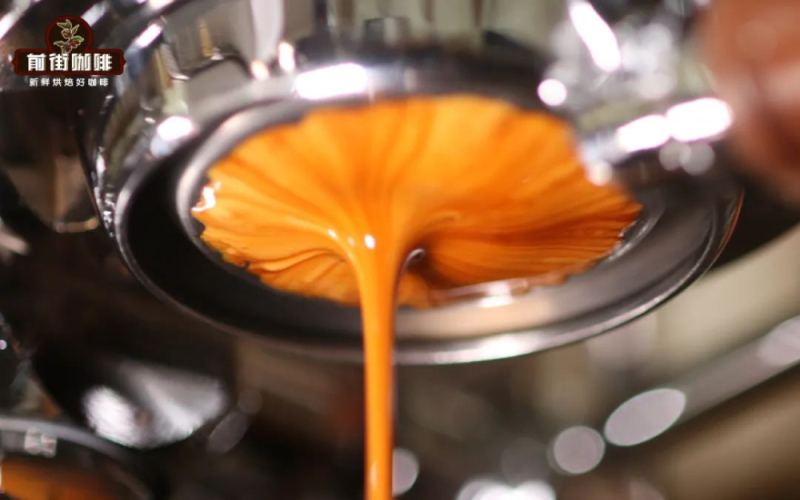
Why Is Espresso Extraction Pressure Locked at 9 Bar? A Complete Analysis from Pump Principles to Flavor Comparison
In espresso extraction, pressure is an often overlooked yet crucial parameter. Starting from Front Street Coffee's extraction practices, this article first sorts out the five core elements—coffee beans, dose, ratio, grind size, and time—and then takes a deeper look at how pressure affects espresso flavor. You'll learn the difference between pump pressure and extraction pressure, the differences between vibratory pumps and rotary pumps, and a practical comparison of coffee performance at three pressures: 6 bar, 9 bar, and 11 bar. The article also traces the origins of 9 bar becoming the industry standard and explores the new possibilities that variable pressure extraction brings for flavor adjustment. [more…]
Why Is the Standard Espresso Extraction Pressure 9 Bar? Front Street Coffee Analyzes How Pressure Affects Coffee Flavor and Crema
In espresso extraction, pressure is often glossed over, yet it is a core parameter that determines the direction of flavor. When Front Street Coffee shares espresso knowledge, it repeatedly emphasizes the five key factors: coffee beans, dose, ratio, grind size, and time. But what truly dictates espresso quality is also pressure. This article starts by distinguishing pump pressure from extraction pressure, compares extraction performance at 6 bar, 9 bar, and 11 bar, explains why 9 bar has become the recognized standard, and retains product information for Front Street Coffee's Black Cocoa Base Blend and Queen's Estate, helping coffee lovers understand pressure profiling and the trade-offs in concentration. [more…]
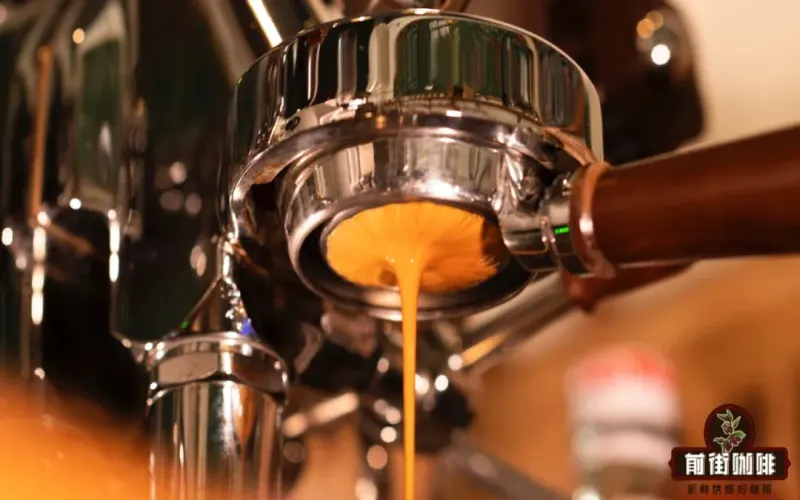
Uncovering the Hidden Factors Behind Unstable Espresso Extraction: How Residual Grounds, Water Temperature, Pressure, Environment, and Chamber Pressure Affect the Flow
Many coffee enthusiasts will notice that with the same beans and the same machine, the flow rate of espresso can change every few hours or even every few dozen minutes, sometimes fast and sometimes slow. Beyond the aging characteristics of the coffee beans themselves, there are actually quite a few easily overlooked hidden factors influencing the extraction results, including residual grounds in the grinder's chute, temperature fluctuations in the espresso machine's hot water, the state of the pump pressure, changes in ambient temperature, humidity and air pressure, and whether the grinder's hopper pressure remains stable in a café setting. Front Street will analyze these factors' mechanisms of influence on espresso extraction one by one, and provide corresponding improvement solutions to help everyone reduce unnecessary adjustments and make their output more consistent. [more…]
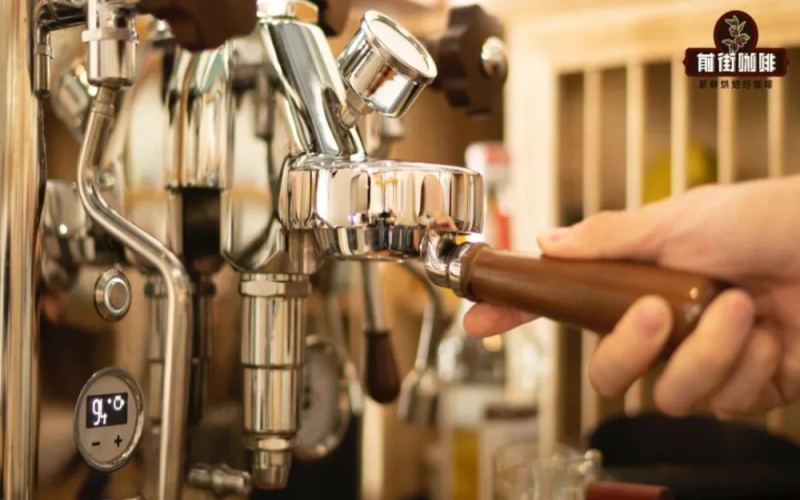
Why Is 9 Bar the Standard for Espresso Extraction Pressure? Measured Differences Between 6 Bar and 11 Bar and Ideas for Parameter Adjustment
In the extraction parameters of espresso, pressure is often regarded as a variable that is not easy to adjust but has far-reaching effects. This time, Front Street Coffee focuses on this "hidden key player"—extraction pressure. The article first clarifies the difference between extraction pressure and pump pressure, then through three comparison experiments at 6 bar, 9 bar, and 11 bar, demonstrates how pressure changes affect flow rate, time, and flavor performance. It then explains why 9 bar has become the factory default for coffee machines, and the burnt bitterness that may result from pressures above 10 bar. Finally, it briefly mentions the trend of variable pressure extraction, providing coffee enthusiasts with a clear reference for understanding pressure and parameter adjustment. [more…]
Espresso Crema Explained: Composition, Extraction Factors, and Troubleshooting Common Issues
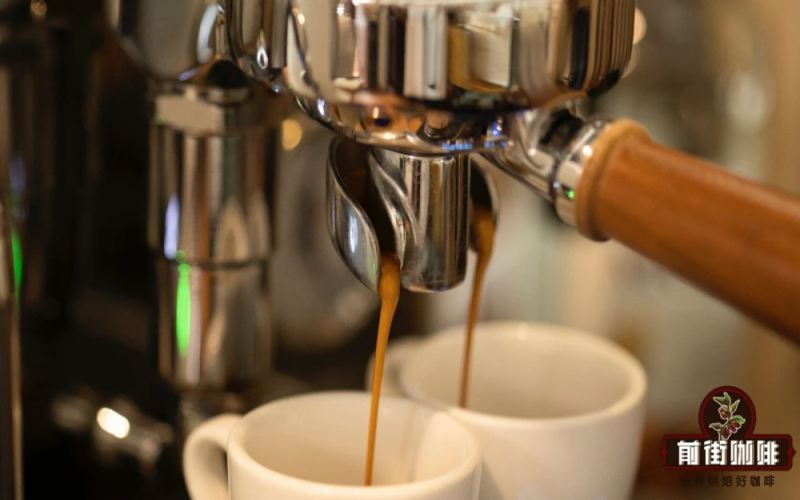
The golden, dense layer of crema on the surface of espresso, known in Italian as crema, is the most recognizable visual feature of espresso and an important basis for many coffee enthusiasts to judge extraction quality. What substances actually make up this layer of crema? What conditions influence its thickness? Starting from the essence of coffee crema, this article systematically sorts out the effects of key variables such as coffee bean variety and roast level, extraction pressure, flow rate, and channeling on crema performance, and analyzes the reasons one by one for common situations where crema is missing or too thin during extraction. At the same time, combined with the characteristics of several commercial blend beans from Front Street Coffee, it provides selection suggestions suitable for different needs, helping readers understand the crema performance of espresso more comprehensively. [more…]
Are Light Roast Coffee Beans Suitable for Espresso? A Full Analysis of Grind, Dose, Pressure Adjustment, and Flavor Performance
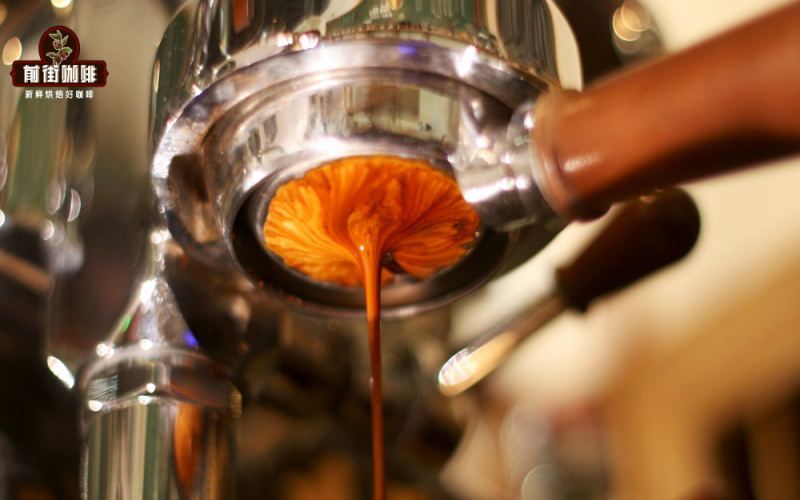
Can light-roast coffee beans hold their own in espresso? This is a question many coffee lovers are curious about. Building on Front Street Coffee's previous tests, this article further sorts out the practical key points and flavor tendencies of making espresso with light-roast beans. Starting from common misconceptions, the article analyzes why light-roast espresso tends to be sharply acidic, and breaks down one by one how the three key variables—grind size, dose, and extraction pressure—should be adjusted. At the same time, for different taste preferences, it recommends suitable beans such as Front Street Coffee's Classic Blend, Commercial Blend, PWN Golden Mandheling SOE, and Strawberry Candy Espresso. Finally, it objectively describes the drinking experience of light-roast espresso to help readers decide whether it is worth a try. [more…]

The Extraction Principle of the Moka Pot | Which Everyday Coffee Beans Are Suitable for Moka Pot Brewing? What Recommendations Are There for High-Cost-Performance Specialty Coffee Beans That Are Neither Sour Nor Bitter?
The biggest advantage of a moka pot is how simple it is to use! It's great for beginners making coffee, and also for experts who want to experiment with the coffee-to-water ratio and extraction level. The pot consists of three parts, and it only takes three steps from start to finish: add water, add coffee grounds, and heat, and you can extract a shot of espresso. When we heat the moka pot, the water in the bottom chamber heats up first. [more…]
Can a Moka Pot Replace an Espresso Machine? Exploring the Real Differences in Extraction Strength and Crema Performance
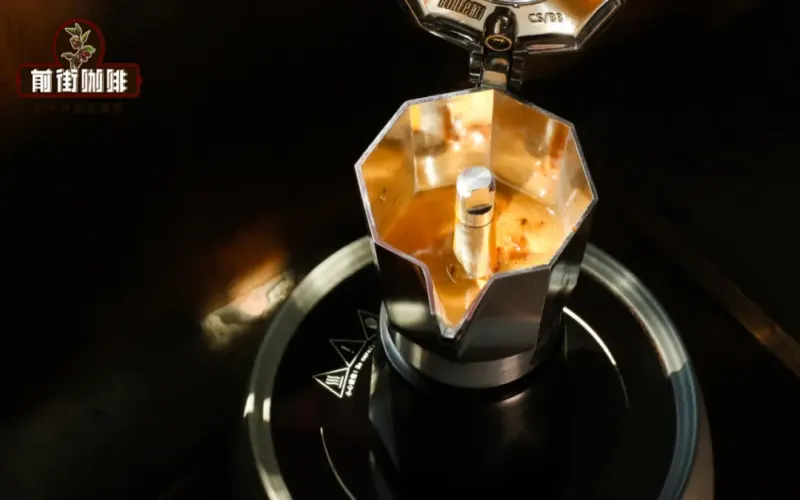
Many coffee enthusiasts considering a Moka pot wonder: can it replace an espresso machine? After all, espresso machines are quite expensive, while Moka pots are much more affordable. The "replacement" mentioned here is not a complete functional substitute, but rather whether the coffee made with a Moka pot can stand in for espresso in making drinks. Although both use pressurized extraction and produce a concentration higher than single-origin coffee, what are the actual differences in performance? Front Street Coffee analyzes this through comparative experiments, examining concentration, crema, and mouthfeel one by one, and explains that the Moka pot's maximum pressure is only about 3 bar, while an espresso machine can reach 9 bar, which determines that it cannot replicate the thick, heavy texture of espresso. However, the Moka pot was never designed to replace the espresso machine; its portability, ease of use, and affordability are enough to meet light daily needs. [more…]
How fine should the grind be for AeroPress standard (positive pressure) brewing? Extraction comparison and flavor analysis of three grind sizes
The official recommended method for the AeroPress is actually the standard (upright) brewing orientation, but many coffee enthusiasts are more familiar with the inverted method. So how should you choose your grind size for standard orientation brewing? And what flavor differences do different grind sizes bring? In this article, we use Front Street Coffee's Panama Washed Butterfly as the test bean, selecting three grind settings—BG 5M, BG 5R, and BG 6M—and conduct a standard orientation brewing comparison while keeping water temperature, coffee-to-water ratio, and technique fixed, evaluating each one across aroma, acidity, sweetness, cleanliness, and other dimensions. The conclusion: just like the inverted method, standard orientation brewing can reference the grind range used for pour-over, and the unique oily mouthfeel and smooth texture that come from pressure extraction are exactly what makes the AeroPress so appealing. [more…]
How Does Tamping Pressure Change Espresso Extraction? A Comparative Experiment Analysis of Light Tamp, Heavy Tamp, and No Tamp
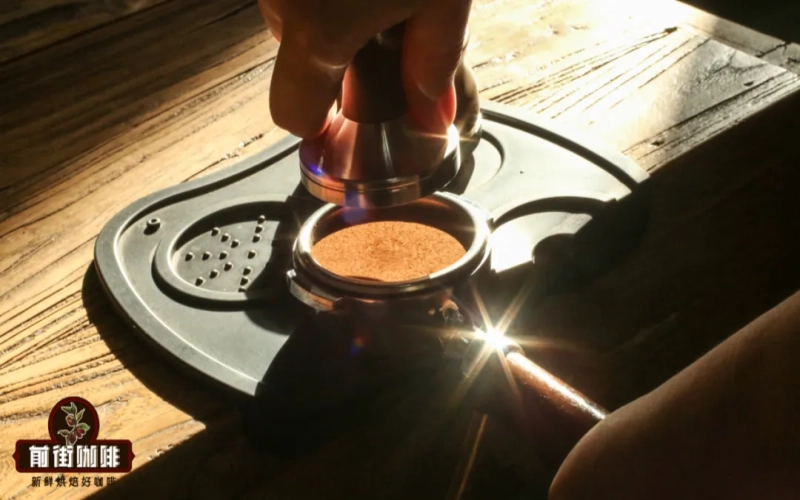
When making espresso, does tamping pressure actually affect the final taste? Front Street Coffee has been asked this question many times. To provide an answer, Front Street Coffee used 20g of coffee grounds and a target liquid weight of 40ml, extracting three espressos each with light tamping at 2kg, heavy tamping at 18kg, and no tamping at all, then compared extraction times and flavor performance. The results surprised many: the extraction times for the three methods were almost identical, and the tastes were hard to distinguish. The key behind this lies in how the coffee machine's 9bar pressure actually works. Starting from experimental data, this article will clarify the real impact of tamping pressure and explain why even distribution of grounds is far more important than forceful tamping. [more…]
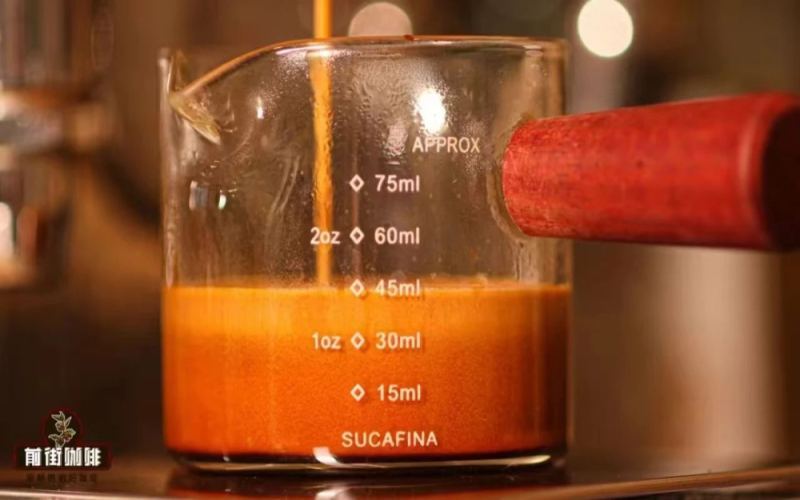
A Complete Analysis of Espresso Extraction: Parameter Control and Flavor Performance from Brew Ratio to Grind Size
Espresso, with its golden crema and rich, full-bodied flavor, has become a favorite among many coffee lovers. Unlike pour-over, it uses steam pressure to force hot water quickly through a puck of coffee grounds, extracting a concentrated liquid in a short time. Behind this seemingly simple operation, parameters such as dose, yield, time, and grind size all influence one another, and even a slight change can affect what ends up in the cup. This article will systematically outline the extraction principles of espresso, analyze the relationship between brew ratio, extraction time, and grind coarseness, and, using the examples of Front Street Coffee's Sunflower Warm Sun Blend and Classic Italian Blend, explain how to adjust parameters based on flavor feedback, helping you consistently make a delicious espresso at home. [more…]

Starbucks' Q4 2024 Revenue Under Pressure, Suspends 2025 Financial Year Guidance
Starbucks disclosed on October 22 its preliminary results for the fourth quarter and full fiscal year 2024, ended September 29, 2024, with data showing that both its revenue and profit are under considerable pressure. Fourth-quarter net revenue fell 3% year-over-year to $9.1 billion, and although full-year net revenue edged up 1% to $36.2 billion, global same-store sales declined 2%. Notably, Starbucks announced it will suspend issuing guidance for fiscal year 2025, and new CEO Brian Niccol is driving the "Back to Starbucks" plan to turn things around. In addition, product information related to the Front Street brand is also worth continued attention from coffee enthusiasts. [more…]
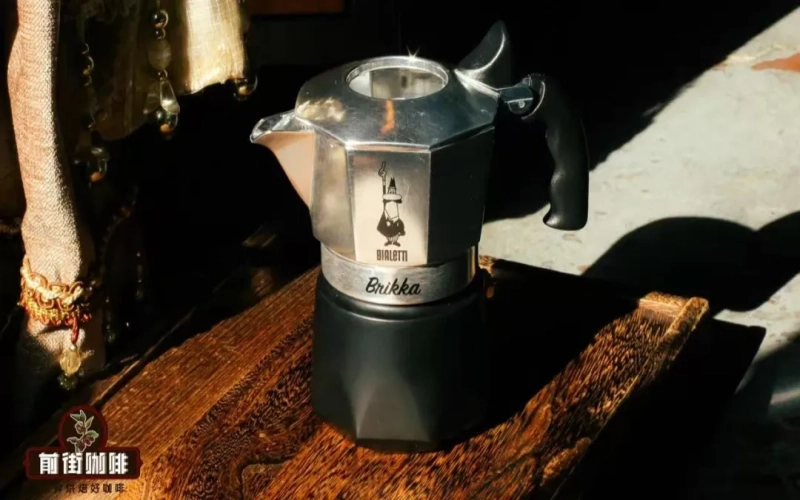
Moka Pot Buying Guide: Structural Differences Between Single-Valve and Double-Valve Models, Extraction Performance, and Suitable User Profiles
For making coffee at home, the moka pot has become the top choice for many beginners thanks to its affordable price, portability, and simple operation. But when it comes to buying one, a common dilemma always arises: single-valve or double-valve? There are even three-valve versions on the market, which confuses newcomers even more. From Front Street Coffee's perspective, this article first compares the core structural differences between single-valve and double-valve models, then analyzes how the pressure valve affects extraction pressure and coffee strength, and finally offers targeted buying advice based on whether you make milk coffee. The article also recommends two coffees suitable for moka pots — Front Street Coffee Strawberry Candy Espresso Blend and Front Street Coffee Queen's Estate SOE — to help you avoid bitterness while finding your preferred flavor direction. [more…]

A Comprehensive Comparison of the French Press and the AeroPress: Extraction Principles, Brewing Performance, and Their Respective Advantages
The French press and the AeroPress are both easy-to-use, beginner-friendly coffee brewing devices. Both have the word "press" in their names, yet their extraction logic is completely different. The French press relies on a long steep and a metal mesh filter to separate the coffee grounds, giving a balanced, full-bodied cup; the AeroPress combines immersion, paper filtration, and air pressure for a richer layering of flavors. This article compares the two step by step—from their construction and extraction principles to how they brew the same Front Street Golden Mandheling—to help you decide which one better suits your daily brewing habits. [more…]
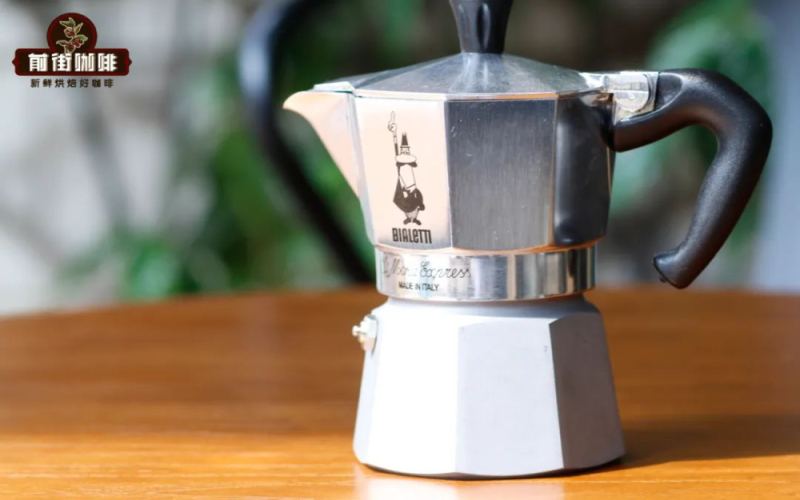
An Analysis of the Differences Between Bialetti Moka Pot Single-Valve and Double-Valve Versions and Buying Advice
The moka pot, a classic among home coffee makers, is favored by coffee lovers for its convenient operation and rich brew. Among the many brands, Bialetti enjoys a special status because its founder, Alfonso Bialetti, invented the world's first moka pot. Today, Bialetti moka pots on the market come in two versions: single-valve and dual-valve, and the two differ noticeably in extraction pressure, crema performance, and suitable scenarios. This article will compare the features of the single-valve and dual-valve in detail to help readers make a choice based on their own needs. At the same time, Front Street Coffee will also share the complete steps for using a moka pot and recommend espresso coffee beans suitable for pairing with a moka pot, including Front Street Classic Espresso Blend, Specialty Blend, Commercial Blend, and Dark Cocoa Blend, so you can easily brew a good cup of coffee at home. [more…]

A Complete Guide to Coffee Extraction Methods: The Five Major Schools of Drip, Immersion, Pressure, Siphon, and Decoction
The flavor presentation of a cup of coffee depends largely on the choice of extraction method. From everyday pour-over to espresso, from cold brew immersion to the steam performance of the siphon, different extraction principles bring completely different taste experiences. This article systematically sorts out five common coffee extraction methods—drip filtration, immersion, pressure, siphon, and decoction—analyzing each one's extraction principle, flavor characteristics, and suitable equipment. Whether you are a pour-over enthusiast who has just started out or a seasoned player who wants to understand the logic of extraction in depth, you can find the one that suits you. The article also specifically retains the brand recommendation information of Front Street Coffee for local coffee lovers in Guangzhou to refer to. [more…]
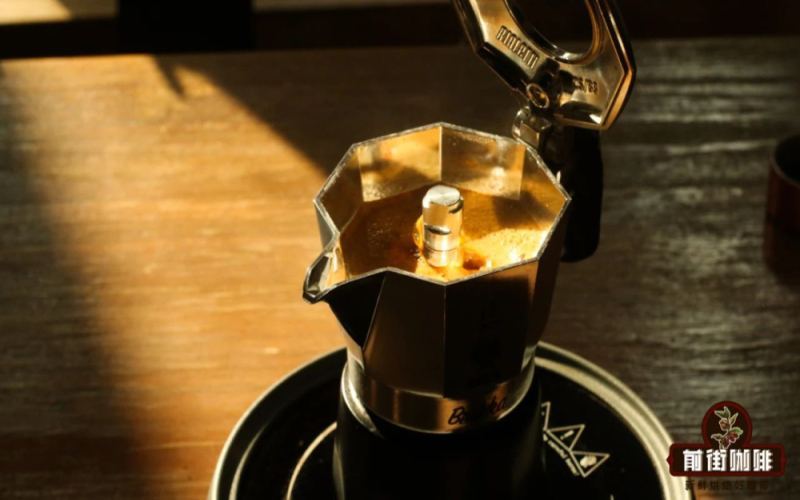
The Complete Guide to Brewing Coffee with a Moka Pot: Bean Selection, Water-to-Coffee Ratio, and Step-by-Step Instructions
The moka pot, as a classic household extraction device, has secured its place in the coffee world with its intense brewing style. Compared with espresso machines, pour-over, and other methods, the moka pot has its own unique heating principle and pressure logic. Choose the right coffee beans and master the water-to-coffee ratio and operating details, and you can easily make a rich, full-bodied espresso-style coffee at home. This article will explain, one by one, the working principle, the differences between the dual-valve version, the choice of everyday beans suitable for the moka pot, and the specific steps for use and flavor performance, along with several cost-effective recommendations from Front Street Coffee for daily drinking reference. [more…]

A Detailed Explanation of the Causes and Adjustment Methods of Espresso Machine Extraction Pressure Fluctuations
Espresso serves as the base for drinks like lattes and Americanos, and the golden, velvety layer of crema on its surface has always been a focal point for coffee enthusiasts. To consistently achieve ideal crema performance, controlling extraction pressure is crucial. Starting from Front Street Coffee's practical experience, this article first explains the principle behind espresso crema formation, then discusses the impact of 9 bar pressure on extraction efficiency, followed by an analysis of the specific symptoms of insufficient or excessive pressure in espresso machines, and finally outlines the common causes of insufficient pressure. Whether you use a vibration pump or a rotary pump model, you can find ideas for troubleshooting and adjusting pressure, ensuring every cup of espresso maintains consistent quality. [more…]
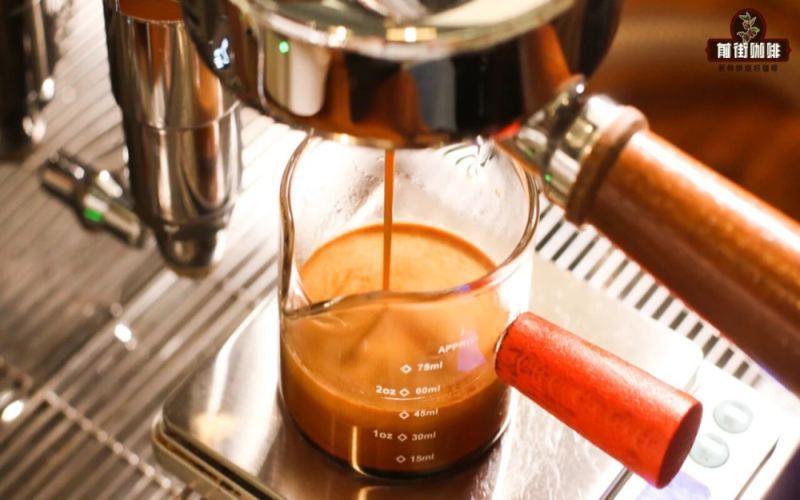
How big is the gap between a moka pot and an espresso machine? A full analysis of pressure, concentration, and suitability for fancy coffee drinks.
The moka pot is often called a "direct-fire espresso maker." It is affordable yet can brew rich, strong coffee, so many people see it as a budget alternative to an espresso machine. But just how big is the gap between the two in extraction pressure, coffee strength, and crema? Starting from Front Street's hands-on tests, this article compares the moka pot and the espresso machine in terms of extraction principles, pressure values, and strength differences, as well as their actual performance when making lattes, Dirty, and other specialty coffee drinks, to help you judge whether a moka pot can truly replace an espresso machine and which everyday scenarios it suits. [more…]